
























 (1).webp)










Latest Articles
- Most Recent
- RollerAds
- Adsterra
- Epom
- ClickDealer
- Monetag
- Mondiad
- Kinsta
- HilltopAds
- Clickadu
- PubFuture
- BigSpy
- Venatus
- 152 Media
- Refinery89
- YieldMonk
- MyBid
- Profit Ninja
- Epom Market
- Sanebox
- Sevio
- Blockchain-Ads
-1710297258.jpg) Blogging
Blogging
How to Grow Your Website Traffic with Social Media Ads?
Growing website traffic through social media ads requires a strategic approach that involves targeting the right audience, creating engaging ad content, and optimizing campaigns for maximum effectiveness. Publishers can make use of traffic arbitrage techniques and utilize Here's a step-by-step guide to help you grow your website traffic using social media ads:

-1710292517.jpg) Website Monetization
Website Monetization
9 Content Monetization Strategies for Publishers and Media Houses
In today’s era of constant algorithm updates and competitive landscape, content monetization for news publishers and media houses presents unique challenges. It is further coupled with changing reader habits, ad revenue fluctuations, and competition from digital platforms, low attention span, poor ad experiences, etc. News publishers need to come up with a comprehensive strategy of monetizing their content beyond ads and focus on building brands for the next generation of audience. Today, media houses needs to go beyond their online presence and focus on the omnichannel aspect of business and collaborate However, there are several strategies these entities can consider to enhance monetization efforts:
 Website Monetization
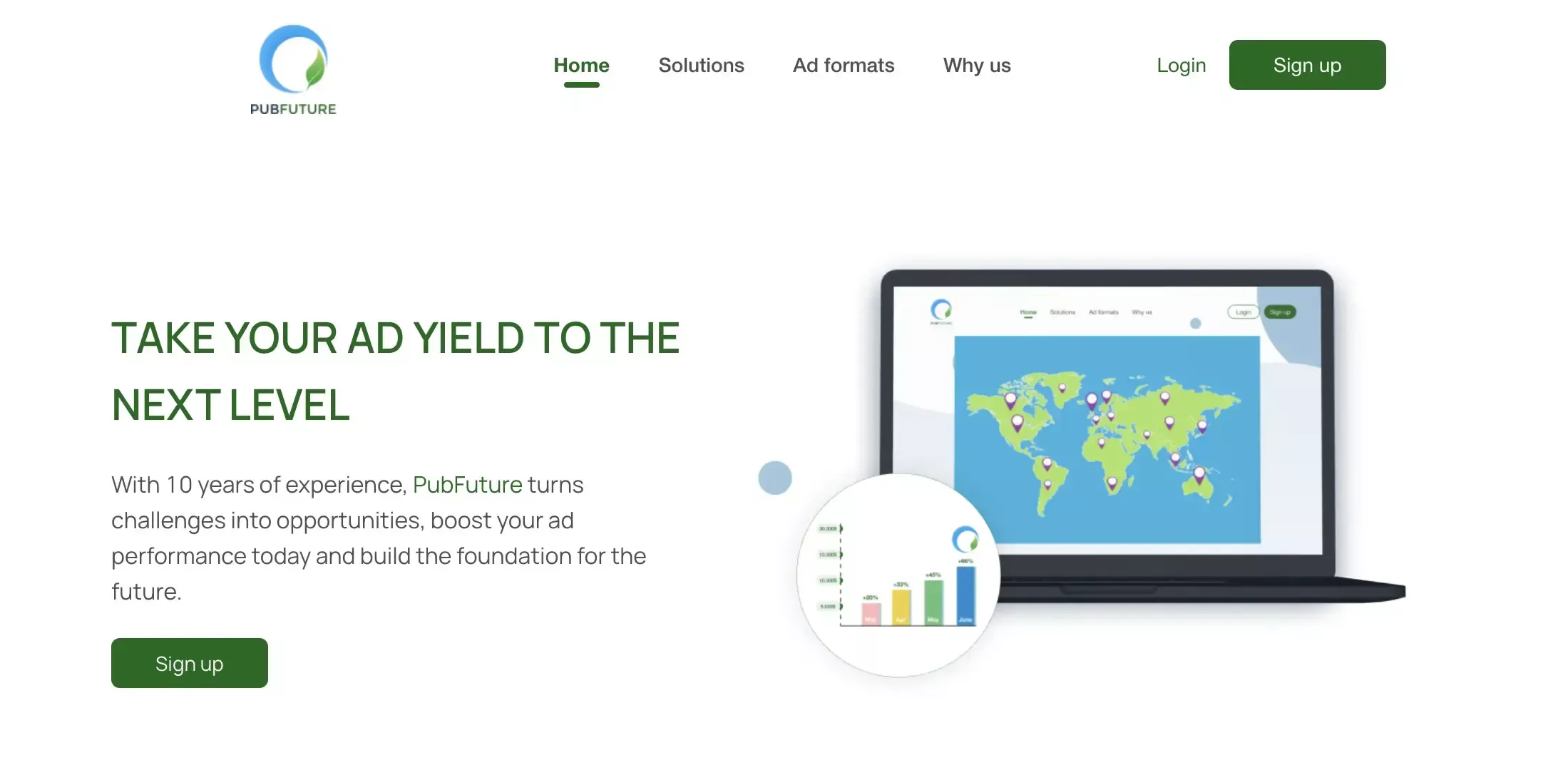
PubFuture Review: A Robust Ad Monetization Platform for Publisher and Developers in 2026
Virtually every publisher uses an AdSense account for website monetization at some point. Yet, there is always the underlying possibility that it may not be the best fit for every content creator. While AdSense does not yield significant profits for small publishers, the fact that Google is as huge as it is also poses other monetization hurdles and fluctuating risk factors. As publishers, exploring alternatives is always a sensible idea— not only does doing so keep you up to date with newer ad networks, it also gives you the opportunity to find those that specialize in your niche, or offer superior revenue streams within a shorter timeframe. If you are currently generating revenue through AdSense on your blog or website, you may find it exciting to learn that switching your monetization strategy to PubFuture could potentially result in higher and faster earnings. Without further ado, let’s delve into an in-depth evaluation of the platform’s strengths and potential in this PubFuture review, to explore what it can do, how well it can do it, what makes it unique, and why we recommend it:
 Website Monetization
Olavivo Review: A Leading Affiliate Network for Publishers
What is Olavivo? Olavivo is a dynamic affiliate marketing network for publishers and advertisers for mutually befitting partnerships. Whether you're a brand aiming to expand your reach or an affiliate eager to maximize earnings, Olavivo offers reliable and performance-driven solutions. Transparency, cutting-edge tech, and personalized support makes the platform one-of-a-kind. Let’s get down with the basics now, shall we?
-1709139912.webp) Website Monetization
Website Monetization
RollerAds Review: A Push Notification Advertising Network for Publishers
Remember the last ad monetization platform that truly shook things up? Neither do we. Let's face it, most platforms just tweak the edges. The average consumer sees about 600-1000 ads per day— urging one to wonder, how many of these ads truly break through banner blindness and stand the potential to resonate? Surpassing the deafening ad clutter and connecting your audience with exactly the right offers is practically every publisher’s dream. The right ad network can simplify this task for publishers by connecting them with relevant advertisers for their audience. While there are numerous platforms with flexible monetization solutions today, and AdSense is one of them— it definitely isn't the only player in the market. Newer networks with superior ad monetization solutions are amplifying revenue streams just as well, within a shorter time frame. This brings us to RollerAds, whose comprehensive solutions go beyond mere traffic generation, to offer publishers a winning combination of targeted push notifications, anti-fraud protection, and intelligent optimizations to connect with the best advertisers. In this RollerAds review, we will attempt to conduct an in-depth exploration of the platform, to show what it can do, what makes it different, its features and capabilities, and why we recommend it.
 Advertising
Leveraging Technology to Create Compelling Ad Campaigns
Today, technology plays a significant role in nearly every aspect of our lives, and advertising is no exception. With the right tech tools and strategies, anyone can create outstanding ad campaigns. If you're curious about how to harness the power of technology for crafting compelling ads, you're in the right place. In this guide, we'll walk you through some simple yet effective ways to leverage technology to your advantage.
















-1668044393.jpeg)