Partner Articles
- All
- RollerAds
- Adsterra
- Epom
- ClickDealer
- Monetag
- Mondiad
- Kinsta
- HilltopAds
- Clickadu
- PubFuture
- BigSpy
- Venatus
- 152 Media
- Refinery89
- YieldMonk
- MyBid
- Profit Ninja
- Epom Market
- Sanebox
- Sevio
- Blockchain-Ads
Search through our collection of over 5,000+ digital solutions, hosting platforms, exclusive deals, and more.


2.5k trusted digital are using our platform












 Website Monetization
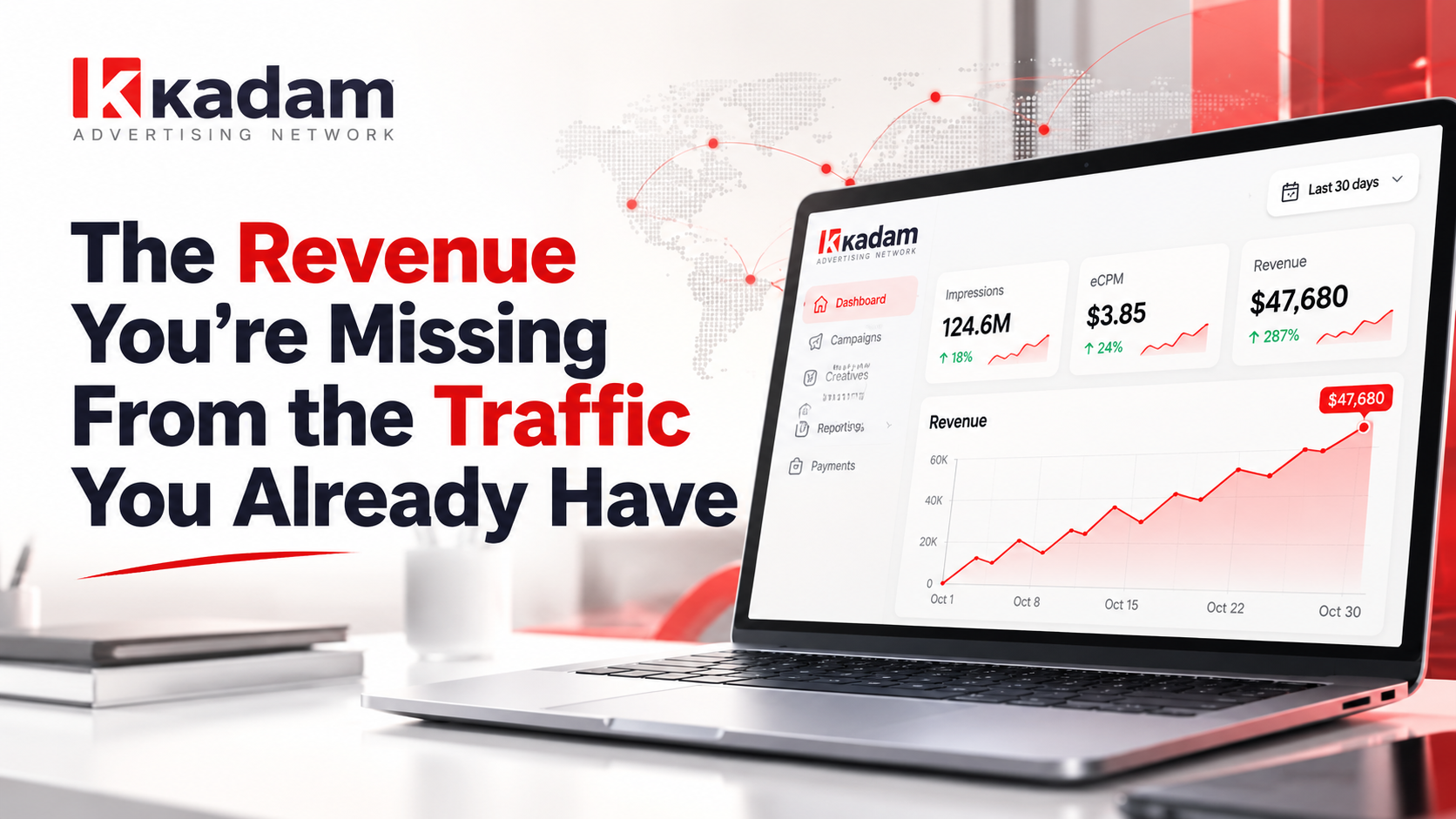
For publishers, traffic growth is usually one of the most obvious ways to increase revenue. More visitors and more impressions should mean more monetization opportunities. But growing traffic is only one side of the equation. The other is making sure that the traffic you already have is being monetized by the demand network that can generate the most value from it. This becomes increasingly difficult as publishers add more ad networks to their monetization stack. Each network has different demand, performs differently across GEOs and devices, and may generate very different results depending on the audience segment it receives. That means the question is no longer simply which ad network has the highest CPM? A more useful question is: which source generates the most revenue from each part of your traffic? This is the problem Kadam Smart Mediation is designed to address. Instead of asking publishers to replace their existing monetization setup, it connects existing sources, compares their actual performance and automatically adjusts how traffic is distributed between them. The goal is straightforward: generate more revenue from the traffic a publisher already has, while reducing the amount of manual optimization required.
.jpg) Website Monetization
Website Monetization
What if your regular publisher earnings could also put you in the running for football-themed rewards? Monetag has launched the Monetag Champions Cup 2026, a two-month publisher promotion with a $10,000 total prize pool, 3 nominations, and 11 prizes. Running from September 1 through October 31, 2026, the promotion gives both established and newly registered publishers multiple ways to compete — without changing how they monetize their traffic.
 Website Monetization
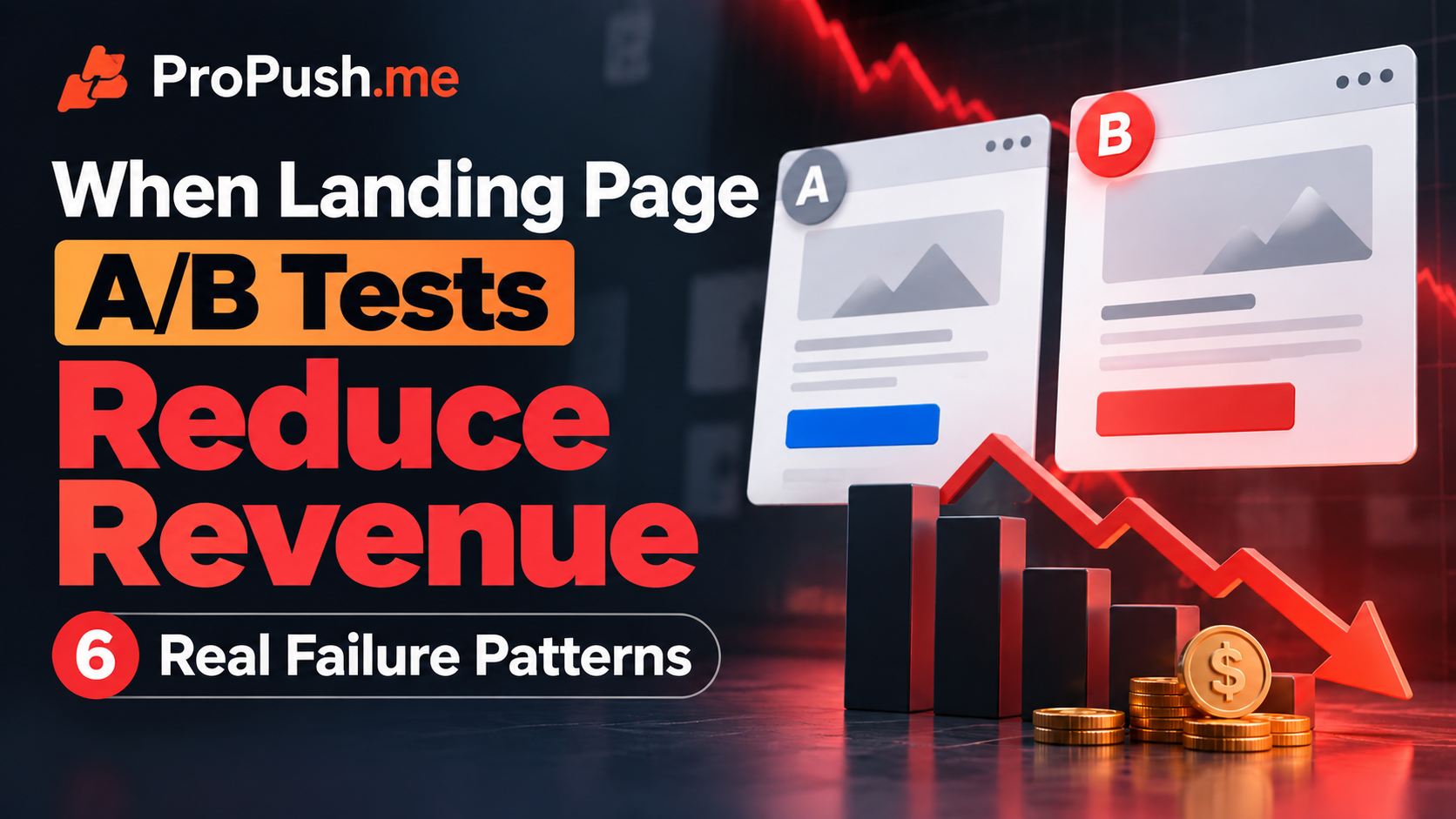
Small changes to a landing page can have surprisingly large effects on monetization. A cleaner design, an extra survey question, a different visual theme, or a smaller CTA may look like an improvement in isolation. In a live funnel, however, each of those changes can alter how users move from one step to the next — and sometimes the result is an immediate revenue drop.
 Affiliate Marketing
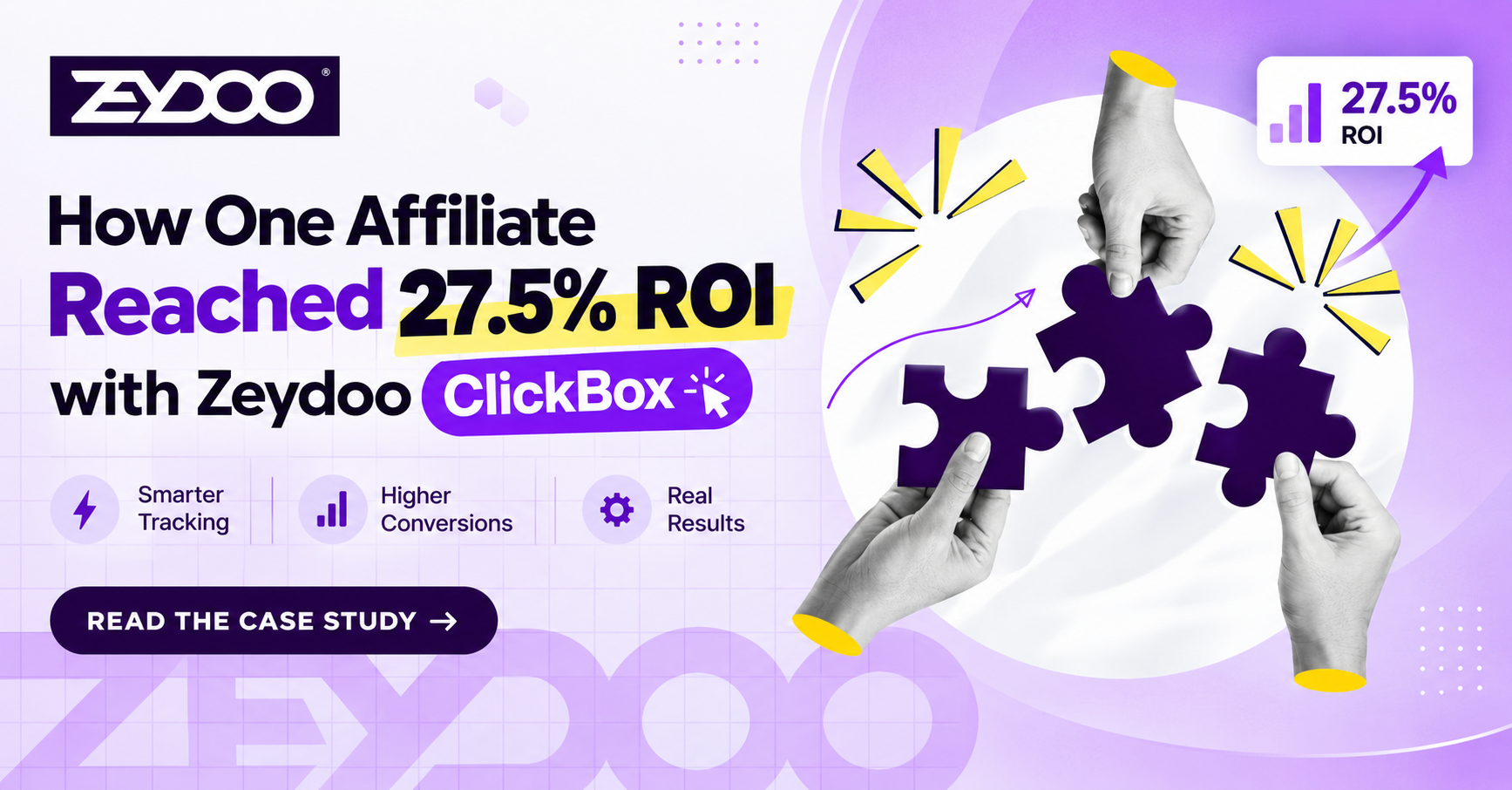
Facebook remains one of the most competitive paid traffic sources for affiliates, but that doesn’t mean profitable opportunities are limited to the usual Tier-1 and Tier-2 GEOs. A recent Zeydoo case study offers an interesting example. In December 2025, one affiliate tested five Facebook campaigns promoting Zeydoo ClickBox offers in South Africa. Across the campaigns, the affiliate spent $5,257 and generated $6,702 in revenue, resulting in $1,444 in net profit and a 27.5% blended ROI. The best-performing campaign reached an impressive 91% ROI.
.png) Website Monetization
Website Monetization
If you work with affiliate traffic, you know how much time can go into checking stats, comparing payouts, and figuring out what changed. Zeydoo MCP is designed to make that process much faster. The new connector links your Zeydoo publisher account to an AI assistant, so instead of exporting reports and working through spreadsheets, you can simply ask questions in plain language.
 Website Monetization
Joko built a business around a niche many developers overlook: free apps and browser games. He runs two websites where independent developers upload early versions of their games and lightweight apps, while users discover and test new products before they become commercial releases. Developers get real user feedback, and visitors get free access to fresh projects. Instead of using in-app monetization, Joko generates revenue through Smartlink placements integrated into the website journey and registration flow. This approach now brings his platforms up to $50,000+ in monthly revenue.
Our publishers are excited to share their experience with you!
The team at Publishergrowth reviewed my site and recommended the ad networks, which helped me double my overall website revenue. Also, the approvals were a breeze. I am particularly excited about their 'sponsored posts' solution since that will be an added revenue for my website.

Beamingnotes.com
I was looking for additional monetization options for my website. With my limited knowledge, I was unable to make the right selections. After I signed up at Publishergrowth, the team performed a site audit and recommended me some ad networks. My overall revenue grew by 44%.

Poemgyan.com
If you have used a product for a long term, you are in a much better position to review it and compare it with others. There are networks that do shady affairs, and thus it becomes very important for publishers like us to know more about ad platforms, tools, and services before working with them.
-1668044393.jpeg)
Blognife.com












 (1).webp)