Search through our collection of over 5,000+ digital solutions, hosting platforms, exclusive deals, and more.


2.5k trusted digital are using our platform











APK Monetization in 2026: Best Ad Formats, Stacking Strategies, and Maximizing Fill Rates
-
 By Editorial Staff
-
24 June 26
Android APK publishers often focus on acquiring users while leaving monetization opportunities on the table. Although web traffic and social channels receive most of the attention, direct Android APK projects remain one of the most profitable traffic sources when monetized correctly.
Summary
-
APK Monetization in 2026: Best Ad Formats, Stacking Strategies, and Maximizing Fill Rates
- 1. Top Ad Formats for APK Monetization
- 2. Why Ad Format Stacking Works Better Than a Single Format
- 3. Why Fill Rate Matters
Android APK publishers often focus on acquiring users while leaving monetization opportunities on the table. Although web traffic and social channels receive most of the attention, direct Android APK projects remain one of the most profitable traffic sources when monetized correctly.
Users who download and install an APK have already shown a strong level of intent. They typically spend more time within the app, return for multiple sessions, and engage more deeply than the average website visitor. This makes APK traffic particularly valuable, especially for publishers operating outside traditional app stores or serving regions where APK distribution remains popular.
That said, successful APK monetization is about more than simply displaying more ads. While app users are often highly engaged, they can quickly lose interest if advertisements become disruptive or negatively impact the experience. The objective is to increase revenue per user session while maintaining strong retention rates.
Top Ad Formats for APK Monetization

Interstitial Ads:
Interstitial ads continue to be one of the most effective monetization formats for Android applications. Because they occupy the entire screen, they tend to deliver strong CPMs and click-through rates by capturing the user's full attention.
Placement is critical to their success. Interstitials generally perform best when shown during natural breaks in the user journey, such as:
- After completing a task
- Between screens or content sections
- During loading periods
- Before progressing to the next stage of an activity
When used at appropriate moments, interstitials often become a major contributor to overall app revenue.
Vignette Banners:
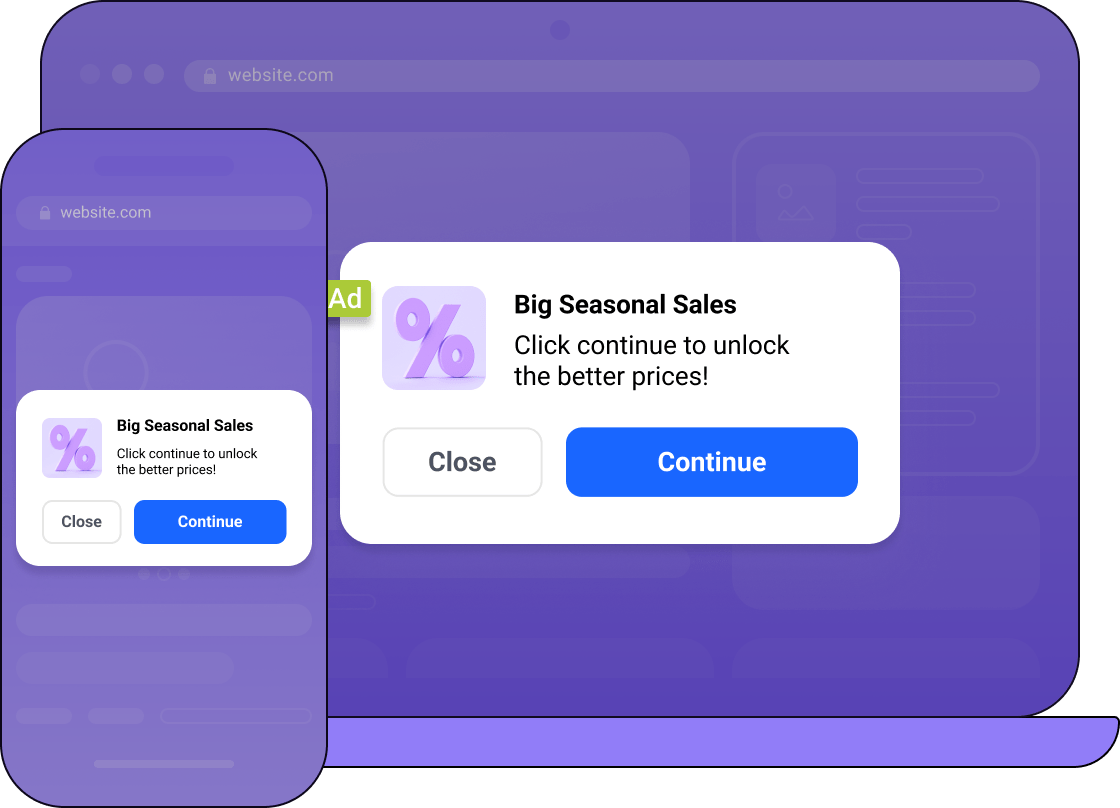
Vignette banners have become increasingly popular due to their ability to provide strong visibility without creating a highly disruptive experience.
Compared to standard banners, vignette ads often include features such as:
- A header section
- Call-to-action buttons
- Easy-to-use close options
- Native-inspired design elements
Because they fit more naturally within modern app interfaces, many publishers see higher engagement and click-through rates than with traditional banner placements.
Classic Banners:
Even with the emergence of newer ad formats, standard banners remain a valuable part of many monetization strategies.
Their key benefits include:
- Continuous visibility
- Minimal impact on user experience
- Simple implementation
- Steady baseline revenue
Although banners generally generate lower CPMs than premium formats, they provide a consistent revenue stream throughout the user session.
SmartLink Monetization:

For publishers seeking a simpler setup process, SmartLinks can be an effective monetization option.
Rather than integrating a full advertising SDK, SmartLinks can be connected to existing buttons, menu items, or other user actions within the app. When a user clicks, they are directed to the offer most likely to convert.
This allows publishers to generate revenue from existing engagement points without significantly changing the app's design or user experience.
Popunder Ads:
Popunder ads continue to deliver strong results for many APK publishers, particularly in regions where users are familiar with performance-based advertising models.
Instead of focusing on individual placements, popunders help monetize the entire user session and can often achieve higher CPMs than traditional display formats. They are commonly used alongside other ad units as part of a broader monetization strategy.
Why Ad Format Stacking Works Better Than a Single Format
One of the most common mistakes APK publishers make is relying exclusively on a single ad format.
The most effective monetization setups typically combine several formats that target different stages of the user journey:
- Interstitials monetize transition moments.
- Vignette banners capture attention during active use.
- Traditional banners provide ongoing baseline revenue.
- SmartLinks monetize existing user interactions.
- Popunders help monetize the overall session.
Since each format serves a different purpose, they often work together rather than competing with one another. This layered approach enables publishers to increase overall earnings while maintaining a positive user experience.
Why Fill Rate Matters
Even the highest-performing ad placement loses value if it remains unfilled.
For APK publishers, this issue is particularly common in emerging and long-tail markets where advertiser demand may fluctuate. Maintaining high fill rates across multiple GEOs is essential for maximizing monetization opportunities.
Many modern monetization platforms address this challenge by aggregating demand from a wide range of advertisers, helping publishers achieve near-complete inventory coverage even when traffic comes from non-Tier-1 regions.
Integration Options
Implementing app monetization solutions is far simpler today than it was just a few years ago.
Most publishers choose between two primary integration methods:
- SDK Integration: A straightforward option that enables quick deployment across Android APK and Google Play applications.
- OpenRTB or API Integrations: Designed for publishers who need more flexibility and control over demand sources and monetization workflows.
The best choice depends on the publisher's technical capabilities, resources, and long-term monetization strategy.
Final Thoughts
Android APK traffic remains one of the most overlooked monetization opportunities in the mobile ecosystem. With highly engaged users, longer session durations, and access to multiple high-performing ad formats, publishers have significant revenue potential when monetization is approached strategically.
The publishers achieving the strongest results focus on selecting the right ad formats, combining them intelligently, maintaining strong fill rates, and preserving a positive user experience. Optimizing each of these areas can lead to higher revenue without compromising long-term user retention.
For publishers looking to explore ad formats, integration methods, and advanced in-app monetization techniques, Monetag's in-app monetization guide provides additional insights and best practices.
| Recommended Software | Category | Why Choose? | Signup URL |
|---|---|---|---|
| Setupad | Website Monetization | High CPMs, On time payments | Signup here |
| Semrush | SEO | High impact on SEO and traffic | Signup here |
Editorial Staff at Publisher Growth is a team of blogging and AdTech experts adept at creating how-to, tutorials, listings, and reviews that can publishers run their online businesses in a better way.
View All Posts


Our Editors’ Pick:
Browse these amazing publisher monetization tools handpicked by our team of editors



 (1).webp)